Dentist Aurora: Tips to Overcome Dental Phobia
Dental fear rarely comes out of nowhere. It often starts with a single rough appointment, a dismissive comment, the smell of eugenol that triggers a memory, or a sense of losing control in a chair that reclines farther than you would like. Over years in practice, I have seen people from Aurora who avoided care for a decade, then walked in with a cracked molar and a knot in the stomach. It takes skill to fix a tooth. It takes a different kind of skill to help someone rebuild trust.
If you have delayed cleanings, put off a crown, or ignored a twinge because the thought of a dental drill tightens your chest, there is nothing unusual about you. Surveys suggest that about a third of adults feel anxious before dental visits. A smaller group, around 10 to 15 percent, experience fear strong enough to interfere with routine care. The good news is that dental phobia responds well to practical steps and a collaborative approach. A dentist in Aurora who understands anxiety will not push you through a schedule. They will pace with you, explain options, and help you regain a sense of control without shaming you for the gap in your records.
Why fear sticks, and why it eases with a plan
Fear does its job a little too well. It teaches your brain to avoid whatever caused pain or shame. That is why a single bad filling in high school can echo across years. The same learning system also unwinds fear when experiences change. If your next few visits feel predictable, pain free, and respectful, your brain updates the file. You start to expect calm instead of threat. That is the aim in a supportive Dental clinic Aurora patients can trust. We trade surprises for steps. We trade “tough it out” for “you set the pace.”
The plan does not have to be elaborate. It needs three things. Predictability. Control. Credible comfort. Predictability means you will know what happens before it happens. Control means you can stop the procedure without feeling judged. Credible comfort means the dentist can keep you numb, adapt tools to your tolerance, and offer sedation if appropriate.
The first low‑stakes conversation
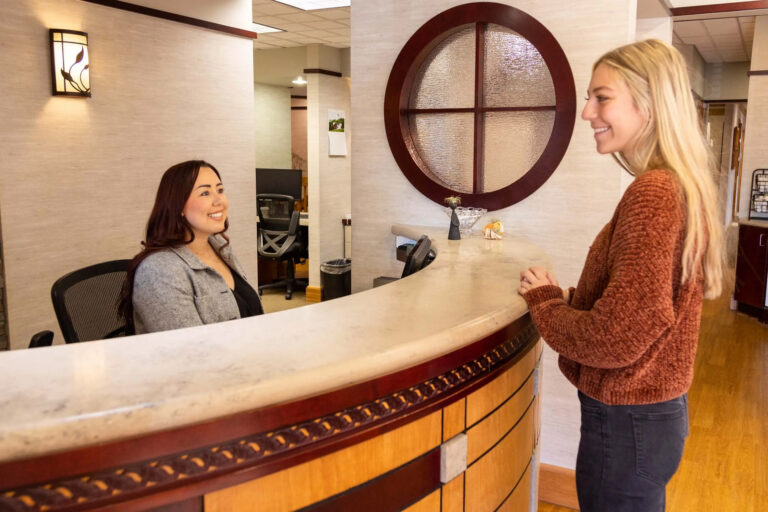
If you are not ready to book a procedure, start with a conversation. Call a Dentist in Aurora and say exactly what worries you. The words can be as simple as, “I have dental anxiety. Needle phobic. I have avoided care. I need a very gentle approach.” A good front desk team will slow down and match you with the right clinician. If the first call feels rushed, try another clinic. Fit matters.
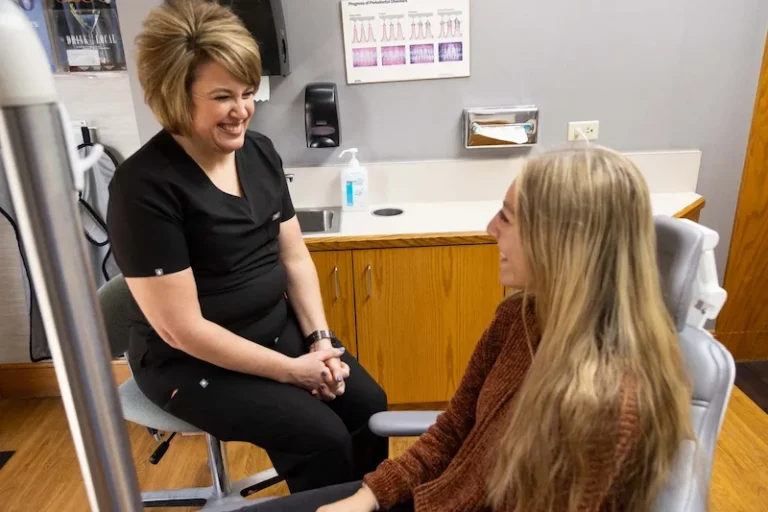
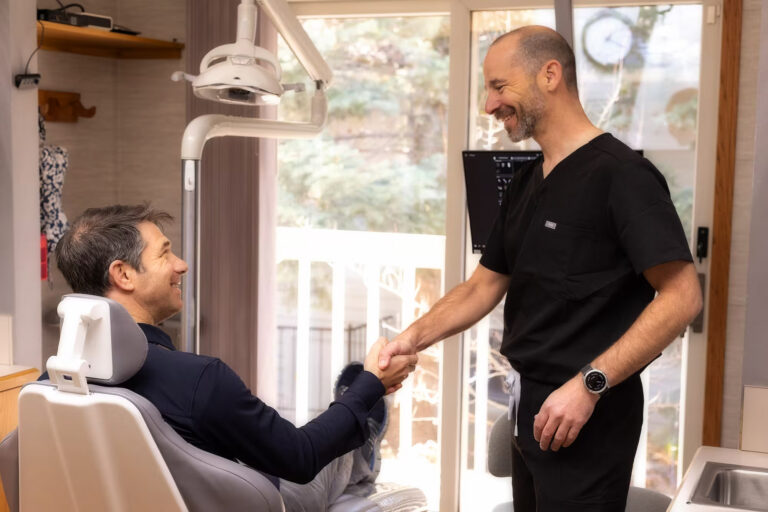
When you meet the dentist, keep the goals modest. An x‑ray and a look. No same day treatment unless you choose it. Ask the dentist to walk you through the findings and the options in plain language. If you have a history of trauma, say so if you feel safe. Many of us have training in trauma informed care, which changes the way we ask for consent, position the chair, and manage time. If you prefer a female dentist, or a bilingual team, or an office that does not play music, say that too. In a city the size of Aurora, you can usually find a match, especially in practices that focus on Family dentistry in Aurora where flexibility is built into their systems.
Setting ground rules that keep you in control
Anxiety spikes when you feel trapped. The control you have at the start of care must continue when the drill turns on. I suggest agreeing on three rules with your dentist.
First, a stop signal that actually stops the handpiece. A raised left hand works. Practice it with the dentist before they start, so it becomes muscle memory.
Second, two minute breaks at planned checkpoints. That might be after anesthesia takes effect, after the first layer of decay is removed, and before final polish. It is easier to ask for the third break if the first two are part of the plan.
Third, preview and countdown. Let the dentist narrate, but only key moments. “You will feel pressure for about five seconds starting now.” Words that are too detailed can raise anxiety. Words that forecast and time box sensations reduce it.
I have worked with patients who needed the chair kept more upright to feel safe. Others preferred headphones with predictable white noise rather than the music we thought was soothing. Preferences vary. The principle is constant. When you control the conditions, your nervous system calms.
What your body is doing, and how to steady it
Dental fear is physical. Your heart rate jumps. Your mouth dries. Your hands get cold. None of this means you are weak. It means your sympathetic nervous system saw a threat. Two simple tactics help.
Nasal breathing through a slow 4 in, 6 out rhythm tells your body you are not in a sprint. Practice this at home while brushing so it is available under stress. Box breathing also works, but some find the breath holds uncomfortable. Choose what feels steady, not heroic.
Grounding through sensation helps when your thoughts race. Hold a small item in your non dominant hand that does not interfere with treatment, like a smooth stone or a rubber ring. The point is not magic. It gives your brain a safe focal point that competes with the whine of a handpiece. If you prefer guided audio, ask if the practice allows earbuds in one ear during hygiene. Many do.
Caffeine and nicotine elevate baseline arousal. If you can, avoid both for 90 minutes before the visit. Arrive a little early. A rushed check in can undo ten minutes of slow breathing.
Pain control without bravado
Numbing is not a test of character. It is a requirement for good dentistry. Modern local anesthetics work well when placed correctly and allowed to take full effect. The myths usually come from three scenarios.
The first is an inflamed lower molar with hot pulp. Acidic tissue makes anesthetic less effective. The fix is technique and time, sometimes a combination of nerve blocks and infiltration with a higher volume, sometimes a small dose of oral sedative, and always enough minutes for the drug to diffuse. If your dentist seems in a hurry to start cutting, ask them to wait. In our office we set a timer and test with a cold spray or gentle probe before moving on.
The second is a fast metabolizer. People vary in how quickly they process lidocaine or articaine. If you get numb but it fades too soon, tell your dentist that pattern early. They can plan for an extra cartridge and choose an anesthetic with a longer tail.
The third is needle fear that spikes pain because muscles brace and skin tightens. Topical gel for one to two minutes, a slow injection, and warmed anesthetic help. So does letting you look away and control the timing. I had a patient named K. Who could not handle a visible syringe. We placed a small towel on the chest to block the view and kept the mirror angled away. Her blood pressure came down by 15 points within two minutes.
Sedation options, matched to real needs
Sedation is not a moral shortcut. It is a tool. The goal is to find the lightest option that lets you get the care you need with a good memory of being safe. Not all dentists offer the full menu, but many in Aurora provide at least one of these.
- Nitrous oxide, also called laughing gas. You breathe it through a small nose hood. It takes effect within minutes, softens anxiety, and wears off quickly. You can drive yourself home in most cases.
- Oral conscious sedation. A pill like diazepam or triazolam given before the visit. You feel relaxed and often remember less, but you stay responsive. You need a ride home. It suits longer sessions and strong needle fear.
- IV moderate sedation. A trained provider administers medication through a vein for deeper calming and better amnesia, while you keep breathing on your own. This is common for wisdom teeth and long restorative appointments. You need a driver and a light schedule afterward.
- General anesthesia. Full sleep, usually in a surgical setting with an anesthesiologist. Reserved for complex cases, severe phobia with medical needs, or special needs care when cooperation is not possible.
Ask your Dentist in Aurora how often they use each option, and how they monitor patients. Better to hear a thoughtful threshold than a sales pitch. If they suggest IV sedation for a small filling without discussing lighter options, that is a flag.
Shorter, smarter appointments that build momentum
If you have avoided care, a full mouth of needs can feel like a mountain. You do not have to climb it in a day. I prefer a staged plan. The first visit handles cleaning with gentle hand instruments, quick x‑rays, and a tour of priorities. The next appointment, we fix one small cavity on an upper tooth, which tends to numb easily. That win teaches your brain that the chair can be safe. Then we schedule a longer block to address a tougher molar with nitrous and an extra cartridge on deck.
Patients who try to do everything under deep sedation sometimes wake up with perfect teeth but the same fear. Patients who stack three or four calm, comfortable visits often notice their anxiety recede, because their body now expects a manageable experience. If you need deep sedation to break the ice, fine. Use it with a plan to taper.
Sensory tuning in the operatory
Little changes in the room can make a significant difference. Gown materials that do not cling. A cup of water within reach. Strong mint polish swapped for a neutral flavor. Lights angled away from your eyes until the moment they are needed. I often turn instruments so the sharp ends face away when you sit down. Your brain clocks those cues without you noticing.
Noise is trickier. Ultrasonic scalers and high speed handpieces have a distinct pitch that burrows under skin. If you hate that sound, we can do more hand scaling, or we can use noise masking that matches that frequency band. I keep a simple music track of rain and low strings in the office. It sounds corny, but fewer melodic changes mean fewer surprises. Some patients prefer their own playlist. That is fine as long as we agree on when I can interrupt for instructions.
What to expect from a well run Dental clinic Aurora residents recommend
You can tell a lot before anyone picks up a mirror. A practice that sees many anxious patients tends to run on time, because waiting amplifies dread. They gather health history without making you repeat hard stories. They ask about triggers and preferred strategies on the first visit. They explain fees before you sit. Their hygienists talk as teammates, not just technicians. In family dentistry in Aurora, you will often see kid friendly touches that also help adults, like ceiling art or small rewards for sticking with it. No one is too old for a token of progress.
Hours matter. Early morning or late afternoon slots make it easier to plan around work or school. Some Dentist in Aurora locations open one Saturday a month. For those with mobility issues, look for ground floor access or elevators, and ask about longer rooms that can accommodate wheelchairs without awkward transfers.
A simple pre‑visit checklist you can personalize
- Confirm the plan. Know whether it is exam only, cleaning, or a specific filling or crown.
- Arrange transportation if sedation is planned, and clear the rest of your day.
- Skip caffeine for 90 minutes before, and eat a light, protein rich meal two hours prior.
- Bring what calms you. A sweater, lip balm, earbuds, or a note card with your stop signal.
- Arrive 10 to 15 minutes early to practice breathing and choose a seat away from the treatment door if waiting rooms trigger you.
I keep spare blankets and lip balm because small comforts avoid unnecessary discomfort. Dry lips crack when stretched by a rubber dam. That tiny pain adds up. Prevent it.
Money, estimates, and avoiding surprises
Anxiety worsens when costs feel vague. Ask for a written estimate with procedure codes and your portion after insurance. Many plans cover two cleanings and exams per year at 80 to 100 percent. Fillings might be 50 to 80 percent, crowns 40 to 60 percent, and sedation coverage varies widely. If you have delayed care, the first year may be the most expensive. A frank talk about staging can spread costs and reduce stress. In my experience, treating active pain first, stabilizing cracked teeth, and cleaning to calm the gums reduces the odds of emergency bills.
Some clinics in Aurora offer in house membership plans for patients without insurance. Run the math. If the yearly fee covers two cleanings, exams, x‑rays, and a discount on restorative work, it can pay for itself with a single crown. If you need only a quick repair this year, a pay as you go plan may cost less. No one solution fits every family.
Special considerations for kids, teens, and seniors
Children learn dental habits from the room they share. If a parent is anxious, kids notice. Family dentistry in Aurora often invites parents to model a calm cleaning before the child’s first ride in the chair. Keep your words neutral. Avoid, “It will not hurt.” Say, “The dentist will count your teeth and use a toothbrush that sprays water.” Simple, concrete language sets the right expectation. For very young children who cannot sit still, silver diamine fluoride can arrest small cavities without drilling, buying time until cooperation improves.
Teens bring a different set of challenges. Orthodontic appliances complicate hygiene, and schedule pressure is real. Offer them choices about music and book times they can own. I have watched anxious teens transform when they feel treated like collaborators instead of passengers.
Seniors may arrive with complex medical histories and medications that dry the mouth. Less saliva raises cavity risk and makes local anesthetic placement trickier. Tell your dentist about every medication and supplement. If lying flat makes you dizzy, we can tip the chair in stages and monitor blood pressure. Removable dentures can be remade with softer liners if pressure spots spark fear of wearing them.
Past trauma and dentistry
A history of assault or medical trauma changes how a person experiences touch and authority. If this fits you, you are not alone. Many dental triggers echo those events, like hands near the face, reclining, or unexpected pressure. Trauma informed care starts with consent at every step, permission to pause, and choices about positioning and tools. Some patients prefer to hold a small mirror so they see what happens. Others want eyes closed and minimal narration. The key is https://andresnzes315.capitaljays.com/posts/dentist-aurora-professional-vs-home-whitening that you choose, and the team follows your lead. If a practice cannot adapt, keep looking. There are dentists in Aurora who can and will.
Emergencies when you are not ready
Toothaches do not schedule themselves. If a severe infection flares before you have built trust, prioritize safety. Call a Dental clinic Aurora urgent line and explain the pain level, swelling, and any fever. An antibiotic may calm the tissue enough to buy time for a planned visit under sedation. If swelling compromises breathing or you cannot swallow, go to emergency care. Dental infections can become systemic, and there is no shame in seeking immediate help. When the crisis passes, revisit the plan to prevent the next one.
What progress looks like over months
Change rarely happens in a straight line. The first calm visit feels like a miracle. The second might feel wobbly. By the third or fourth, the room smells familiar, and your body arrives less guarded. Some patients who started with IV sedation switch to nitrous for a long filling after two or three experiences of painless numbing. Others stay with oral sedation for specific triggers, like extractions, and do routine cleanings without it. Do not measure yourself against anyone else. Measure against last year’s you.
One of my favorite moments came from a patient who avoided cleanings for 12 years. After a staged plan with two hygiene visits and three restorative sessions under oral sedation, she returned for her six month check with no new decay. She sat down and said, “I did not even think about canceling this week.” That sentence told me more than any x‑ray.
Choosing the right partner in Aurora
Skill matters. So does fit. When you search for a dentist Aurora residents trust, look beyond star ratings. Read how the dentist talks about anxiety on their site. Do they mention stop signals and staged plans, or just list services. Call and listen. Did the person on the phone slow down when you said you were fearful. Ask if the practice welcomes a meet and greet. A few minutes in the lobby can teach you whether you feel rushed or respected.
If you already have a general dentist you like but need sedation for one procedure, ask about referrals within Aurora. Many offices collaborate. You can do the complex work in a setting equipped for deeper sedation, then return to your home clinic for maintenance.
Your next step, made small
You do not have to steel yourself for a heroic leap. Set one small action that keeps you in control. That might be calling a Dentist in Aurora to request a consult that includes no treatment. It might be scheduling a cleaning with an agreement to stay upright, no ultrasonic, and a two minute pause after the first quadrant. It might be emailing a clinic your triggers so you do not have to say them aloud at the desk.
Dental fear is common, reasonable, and workable. With a plan that respects your body and your history, you can get the care you need in a way that feels safe. A thoughtful team in a well run Dental clinic Aurora can offer more than clean teeth. They can help you write new memories in a room that used to make your pulse race. When those new memories stack up, the chair becomes just a chair again, and the visit becomes another ordinary errand on a Thursday. That is progress worth making.
Aspenwood Dental Associates and Colorado Dental Implant Center
Address: 2900 S Peoria St Ste C, Aurora, CO 80014, United States
Phone number: +13037314037
FAQ About Dentist Aurora
How can I fix my teeth if I don't have money?
If you have no money, the most effective way to fix your teeth is to visit a Federally Qualified Health Center (FQHC) or a dental school clinic. FQHCs offer care on a sliding scale based on your income, and dental schools provide heavily discounted treatments performed by students under licensed supervision.
How do you know if the dentist you found is a good dentist or not?
A great dentist prioritizes your long-term oral health, communicates clearly about treatment options and costs, and makes you feel comfortable. You can easily evaluate if a dentist is a good fit by assessing their communication style, clinical environment, and patient feedback.
How do poor people get their teeth fixed?
People with limited finances often get their teeth fixed by utilizing government-funded clinics, visiting university dental schools for discounted care, or relying on regional charitable events. These avenues provide essential treatments like cleanings, fillings, and extractions to those who cannot afford traditional dental costs.