How to Find the Best Dentist in Aurora for Your Family
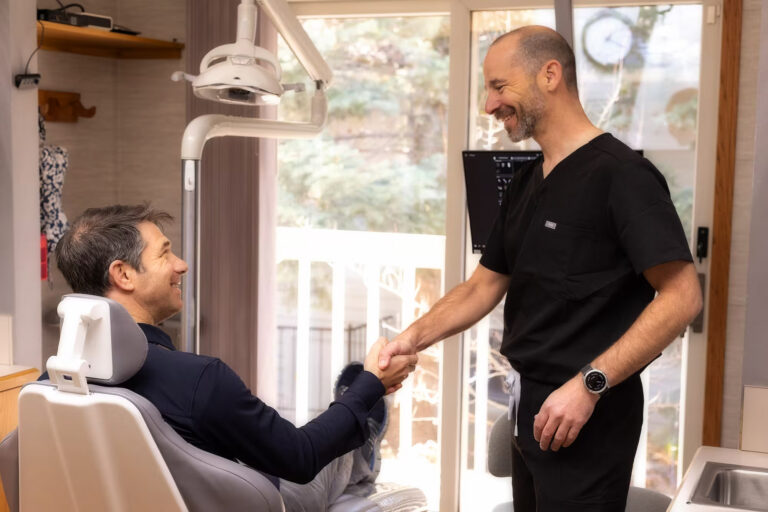
A good family dentist becomes part of your household rhythm. They track tiny changes in your child’s bite, notice grinding before a cracked filling, steer you away from unnecessary procedures, and show up fast when a weekend toothache turns ugly. The search matters, and it takes more than skimming star ratings. If you live in or around Aurora, you have plenty of options. The trick is matching your family’s needs to a practice that delivers consistent, thoughtful care without making life harder.
This guide walks you through the decisions that matter, what to ask before you book, and how to read between the lines. It is written for a parent who juggles school calendars and insurance cards, a professional who has postponed a crown one time too many, and anyone who wants a grounded way to evaluate a dentist in Aurora without guesswork.
Start with your real needs, not a generic checklist
Every household carries different pressure points. A family with a toddler who dentist Aurora chews everything needs a very different kind of chairside approach than a couple focused on cosmetic veneers. Before you type “dentist Aurora” into a browser, clarify what will make a practice feel like a fit.
Picture a typical six months in your home. Maybe your youngest still naps after lunch, your teen runs from practice to homework, and you can leave work early only on Thursdays. A Dental clinic in Aurora that posts evening cleanings twice a week and reserves a few same day slots for emergencies might matter more than the latest whitening gadget. On the clinical side, list out what you expect over the next year. Routine cleanings, occasional fillings, maybe a mouthguard for sports and the first orthodontic consult for a crowding canine. If an elderly parent lives with you, dentures or dry mouth management join the list.
Now turn those expectations into targets: number of hygiene chairs, hours that match your calendar, whether the practice handles clear aligner cases in house or partners with a specialist, and whether sedation is offered when needed. The more precise your profile, the faster you can filter options across Family dentistry in Aurora without getting dragged into features that will not serve you.
What a great family practice looks like up close
When you step into a strong family practice, a few qualities show up consistently.
You feel oriented quickly. The front desk confirms the purpose of the visit and checks whether anything changed in your medical history. There is a posted privacy notice and a consent conversation before radiographs. Imaging is spaced reasonably, not reflexively taken at every visit. If you are new, the dentist comes in with time to talk, not just to count teeth.
The conversation balances today’s needs with long term planning. If there is a small area of demineralization, you get options: remineralization strategies, watchful waiting, or a preventive sealant, along with what each path costs in money and time. The dentist explains risk, not just procedures. They ask about your diet, sleep, and habits. They are curious about headaches and snoring because they care about the airway, not because they want to sell a device.
The billing is transparent. You see a printed or digital treatment plan with ADA codes, estimated insurance coverage when applicable, and your out of pocket by visit. Questions are welcomed and answered without defensiveness. If you ask for a second opinion, you get your records without a hassle.
You also notice restraint. Not every slightly worn cusp gets a crown recommend. Not every patient with mild spacing is routed to aligners. Strong family clinicians know when to do less and monitor, and they document why.
Credentials matter, but so does track record
Dentistry is a licensed profession with high training standards. Still, credentials only tell part of the story. A balanced way to evaluate a Dentist in Aurora combines training, ongoing education, and case mix.
Look for a DDS or DMD degree from a CODA accredited school, active licensure in your state or province, and no disciplinary history. If the dentist advertises sedation, there should be documented permits and emergency training. Membership in professional bodies can be useful because it shows engagement with continuing education, but it is not a guarantee of quality.
Ask how many cases like yours the practice sees each month. For example, a dentist who places ten to fifteen pediatric stainless steel crowns a year will be more efficient and comfortable with behavior guidance than someone who does one every other year. If you are exploring implants, ask about their surgical training, whether they use guided placement, and how many placements they complete annually. You are looking for patterns over time, not a single shiny certificate.
If orthodontics is on your horizon, clarify who actually plans the case. Some general dentists handle limited orthodontics confidently, especially early interceptive work. Others collaborate closely with an orthodontist. Either model works if the communication is strong and treatment limits are clear.
Technology that earns its keep
The right tools help a practice diagnose earlier, treat more comfortably, and reduce risk. The wrong tools add cost without delivering much else. You do not need the newest gadget to get excellent care, but a few technologies consistently improve the experience.
Digital radiographs cut radiation exposure significantly compared with older film systems and allow instant image sharing if you request a second opinion. Intraoral cameras let you see what the dentist sees. When you can view a crack line or a leaky margin on a monitor, the treatment recommendation makes sense.
Three dimensional cone beam imaging can be invaluable for implants or complex root canals. It is not a routine screening tool for every patient, and a conservative practice will use it when the expected benefit outweighs the radiation exposure. Same day crowns with chairside milling save time if your schedule is tight. The trade off is that not every tooth is a candidate for a same day restoration, and some dentists still prefer a lab made crown for tricky esthetic zones. Laser dentistry can reduce discomfort for certain gum procedures and pediatric soft tissue releases. Ask which conditions the practice actually treats with the laser and how often.
The guideline is simple. Technology should connect to predictable outcomes, cleaner diagnosis, fewer appointments, or meaningful comfort gains. If the benefit is hard to articulate, it probably will not help your family much.
Access, emergencies, and the rhythm of real life
Parents remember how a practice handles small crises. A molar aches on a Friday at 4:30. A child trips on a scooter and chips an incisor. A temporary crown pops off during a business trip. Good practices do not shrug at these; they have systems.
Ask the front desk how they handle same day pain. Do they reserve blocks daily for urgent visits or squeeze you into a packed schedule with a cursory look? If the dentist is out of town, is there cross coverage with another dentist in Aurora, or will you be sent to an unfamiliar urgent care? Clear answers are a green flag.
Hours matter too. Extended hours a couple of days per week help a working household move cleanings out of school or work windows. Check whether those extended hours also allow for restorative care, not just hygiene. And review how far the practice sits from your usual routes. In Aurora, traffic patterns vary by neighborhood. If you live near a major thoroughfare, a practice ten minutes out of the way might cost an hour round trip in peak times. What looks minor during a tour can become a headache every six months.
Insurance, fees, and membership plans without surprises
Money talk often feels awkward, which is odd because every household makes decisions with a budget in mind. A practice that treats money as an afterthought creates stress. Insist on clarity.
If you carry PPO insurance, confirm whether the practice is in network and for which plans. Out of network care can still be the right choice if the dentist is exceptional and transparent about fees, but do not stumble into it. If you are uninsured or have a high deductible plan, ask whether the office offers a membership program with discounted preventive care and set percentages off common procedures. Many family practices offer plans priced around the cost of two cleanings and exams per year, sometimes with x rays included.
For typical services, a grounded price range helps you gut check proposals. In many markets, an adult cleaning and exam runs roughly 150 to 250 before insurance, a tooth colored filling 180 to 350 depending on size and location, and a crown 1,100 to 1,600 based on material and lab fees. Implants vary more widely, often 3,000 to 5,500 from placement to final crown. These are ballparks, not quotes. The key is whether the office will show you a written plan with codes and estimates and stick to it unless new clinical facts emerge.
Payment timing also matters. Some practices require large deposits for lab cases; others split costs across visits. Ask about financing if you anticipate orthodontics or implants. Third party plans can be sensible if the interest rate is low and the total fee remains reasonable.
How to read reviews without getting fooled
Online reviews help, but you have to decode them. A practice with dozens of near identical reviews on the same day looks suspicious. A strong pattern over months with specific details carries more weight. Look for mentions of how the office handled a bad day, not just a routine cleaning. Did someone feel heard when they were anxious? Was a billing error fixed without resistance?
If you see negative comments, evaluate the response. A thoughtful, specific reply that invites the patient to talk privately signals professionalism. Dismissive or defensive responses are a warning. And when a review mentions clinical disagreements, remember that dentistry often offers more than one valid option. You are looking for tone, transparency, and respect, not perfection.
The quick shortlist
Before you invest time in consults, eliminate practices that fail obvious tests. This simple filter saves hours.
- Clear, current website with services, hours, and dentist bios that include training and interests
- Digital x rays, documented sterilization protocols, and posted privacy policies
- Written treatment plans with estimates and willingness to share records if you seek a second opinion
- Reasonable access for urgent care and predictable appointment availability within two to four weeks for routine hygiene
- Warm, responsive communication when you call or email, with same business day replies
Your first visit strategy
A new patient exam is not a binding contract. Treat it as a chance to see how the practice thinks. Here is a reliable way to use that time well.
- Bring a short list of your priorities and any recent x rays or records if you have them
- Ask the dentist to walk you through what they see on intraoral photos and x rays, and to outline watch, prevent, and treat options
- Request a phased plan if you have multiple needs, with timing and costs clearly arranged
- Ask how they decide when to refer to specialists and which specialists they trust
- End by clarifying next steps and how to reach the office for questions after hours
A good dentist will welcome thoughtful questions. You should leave understanding your mouth better than when you arrived, not just holding a bill.
Red flags worth respecting
Most dentists work hard for their patients, but you will occasionally encounter practices that overpromise or underdeliver. A few patterns should slow you down.
Aggressive upselling disguised as prevention. If every adult who walks in needs an antibacterial irrigation, a rinse subscription, and whitening on day one, the practice may be driven more by sales than by health. Overuse of radiographs without clinical indication is another caution. A conservative, preventive dentist documents why images are being taken and spaces them based on your risk, typically bitewings every 12 to 24 months for low risk adults.
Rushed exams with little documentation. If you are handed a major treatment plan after a five minute look and no photos, you are not getting a thoughtful diagnosis. Conversely, if the dentist cannot explain why they recommend monitoring instead of treating, that is also a problem. You want reasoning you can follow.
Opaque billing or pressure to sign financing on the spot. Take plans home, compare, and consider a second opinion for large or complex cases. A confident clinician is not afraid of your due diligence.
Pediatric fit is not optional if you have children
Kids are not just small adults. A family focused dentist in Aurora who handles pediatric visits well will blend behavior guidance, prevention, and smart timing. Watch how they greet your child. Do they talk to the child directly, not just to you? Do they use tell, show, do and praise progress rather than shame fear?
Preventive strategies matter. Fluoride varnish applied two to four times per year for high risk kids can reduce caries risk meaningfully. Sealants on adult molars soon after eruption help. Diet counseling that avoids shaming and explores practical swaps works better than lectures. Ask how the dentist handles minimal sedation or nitrous oxide when needed, and how they decide when to refer to a pediatric specialist for advanced behavior management.
If your child needs orthodontic interception, early consults for habits, crossbites, or significant crowding are often useful around age seven. Interventions are not always required that early, but a baseline helps you plan.
Seniors and medically complex family members
As families age, medications dry the mouth and gums recede. A strong family practice adapts. They will dentist review your medication list carefully, watch for drug interactions, and coordinate with physicians when anticoagulants or osteoporosis therapies affect extractions or implants. They will discuss alternatives like partial dentures or non surgical periodontal maintenance when surgery is not ideal.
If dexterity makes flossing difficult, look for coaching on tools such as interdental brushes and water flossers. For those in assisted living or with memory challenges, ask about simplified routines and three month hygiene intervals to reduce emergency visits. Compassion and patience matter as much as clinical skill here.
Boutique feel vs larger group practice
Aurora offers a range of practice models. A boutique office may offer longer appointments, continuity with one dentist, and attention to detail. Costs might sit higher, and access can be tighter if the schedule is full. A larger group practice often delivers broad hours, quick access, and many services under one roof. You might see a different provider occasionally, and the experience can feel less personal.
Neither is inherently better. The right fit depends on what you value. If continuity and a quieter environment help your anxious child thrive, boutique can shine. If your work hours change weekly and you love one stop convenience, a group practice might serve you better. Ask which model a practice runs and choose intentionally.
Working with a specialist network
Family dentistry excels when it knows its limits. If your case calls for a periodontist for complex grafting or an endodontist for a calcified canal, you want a general dentist who refers early and collaborates smoothly. Ask which specialists the office trusts, how they communicate, and whether co treatment planning happens. In Aurora, a dentist who partners with a stable group of specialists tends to coordinate care faster and with fewer surprises.
You can also ask about how records flow both directions. Digital imaging and photos should travel easily, and post treatment notes should come back to your family dentist to keep your history complete.
Infection control and safety you can see
You should not have to guess whether a practice takes safety seriously. Autoclaves for instrument sterilization should be monitored with spore testing regularly, and indicators should be logged. Barriers on surfaces in operatory rooms should be changed between patients. Hand hygiene should be visible and frequent. If you are curious, ask to see their sterilization area or to hear how often they test their autoclave. Confident teams are proud to explain their process.
Radiation safety deserves a moment too. Digital sensors, thyroid collars, and collimation help minimize exposure. The office should individualize image frequency based on your cavity risk and periodontal status, not a one size fits all rule.
Communication style and cultural fit
Skill matters, but so does the way a team speaks with your family. If you prefer thorough explanations and visual aids, say so and see if the practice matches your style. If English is not your first language, ask about language support. Offices in diverse communities often have multilingual staff or translation resources. Comfort builds trust, and trust improves health decisions.
Chairside manner differs by dentist. Some are warm storytellers; others are crisp and efficient. Neither is wrong. Choose a style your family appreciates, especially for kids or anxious adults who need extra time.
Practical search tips specific to Aurora
The name Aurora spans different regions, and neighborhoods can feel distinct. If you commute across town, narrow your search to corridors you actually drive. Look for a dentist near your child’s school, your grocery route, or your gym. What looks like a small detour on a map can add up when you stack two to four dental visits per year per family member.
Use local directories with filters for Family dentistry in Aurora to spot practices that explicitly welcome multi age care. Cross check with your insurer’s directory, but confirm with the office directly because carrier lists are often outdated. If you already love your primary care physician or pediatrician, ask whom they trust for dentistry; medical offices tend to hear about dental experiences when infections or sleep issues surface.
When you call, notice whether the practice asks about your goals or just offers the first open slot. A team that listens on the phone often listens chairside.
How to compare two good options
Sometimes you narrow to two solid choices. Both have good reviews, reasonable fees, and friendly teams. Here is how to differentiate them in a way that matters.
Ask each office to show you two de identified cases similar to your situation, with before and after images and timelines. For example, if you need two crowns and a night guard, seeing how they sequence and the quality of the final margins tells you a lot. If you are considering clear aligners, compare how they approach retention. Who talks about long term retainers and follow up? If you have a child with mild sensory sensitivities, which office describes the steps they take to accommodate sound, light, and texture?
Finally, test response time. Send each practice a short, relevant question by email after hours. See who answers first, how thorough the answer is, and whether the tone feels right. Day to day, that responsiveness can be the difference between calm and chaos.
Building a relationship that lasts
Finding the right dentist is the start. Keeping the partnership strong takes a little upkeep. Show up with questions, be honest about habits and budgets, and give feedback when something does not work. Most practices value long term families and will adjust where they can. Keep your contact information current, confirm appointments, and request your records periodically so you know they are complete.
Expect the plan to evolve as mouths and lives change. A toddler grows into braces. Braces come off and retainers need discipline. A parent develops reflux and enamel shows wear. Your dentist should notice, explain, and adapt. When that happens reliably, dentistry becomes less about drills and more about health.
Bringing it all together
A careful search takes a handful of conversations and one or two first visits. The payoff is a practice that respects your time, treats you like a partner, and keeps your family’s oral health steady without drama. In a city with many options, a measured approach will point you to a dentist in Aurora who fits your calendar, budget, and temperament.
Use the quick shortlist to filter, treat the first visit as an interview, and prioritize judgment over gadgets. Choose the team that talks to you like a person, not a sales prospect, and that shows their work when they recommend care. When you find that, you have found the right Dental clinic Aurora families recommend quietly to each other, year after year.
Aspenwood Dental Associates and Colorado Dental Implant Center
Address: 2900 S Peoria St Ste C, Aurora, CO 80014, United States
Phone number: +13037314037
FAQ About Dentist Aurora
How can I fix my teeth if I don't have money?
If you have no money, the most effective way to fix your teeth is to visit a Federally Qualified Health Center (FQHC) or a dental school clinic. FQHCs offer care on a sliding scale based on your income, and dental schools provide heavily discounted treatments performed by students under licensed supervision.
How do you know if the dentist you found is a good dentist or not?
A great dentist prioritizes your long-term oral health, communicates clearly about treatment options and costs, and makes you feel comfortable. You can easily evaluate if a dentist is a good fit by assessing their communication style, clinical environment, and patient feedback.
How do poor people get their teeth fixed?
People with limited finances often get their teeth fixed by utilizing government-funded clinics, visiting university dental schools for discounted care, or relying on regional charitable events. These avenues provide essential treatments like cleanings, fillings, and extractions to those who cannot afford traditional dental costs.